
California Notary ID Rules: Acceptable IDs, Digital ID Pitfalls & Exam Mistakes to Avoid
California Notary ID Rules: Acceptable IDs, Digital ID Pitfalls & Exam Mistakes to Avoid
Picture this: You're at the closing table, papers stacked high, when the signer pulls out their phone to flash a sleek digital driver's license. You hesitate, heart racing—accept it and risk invalidating the notarization, or turn them away and derail the deal? In California's notary world, this split-second call can mean the difference between a smooth transaction and a legal headache. Mastering California notary ID rules isn't just exam fodder; it's your shield against real-world pitfalls.
As a California notary student or working professional, you know the stakes. The state demands "satisfactory evidence" of a signer's identity under Civil Code Section 1185. Get it wrong, and your commission could hang by a thread. This guide breaks it down: what's acceptable ID for notary California, why digital versions fall flat, and the sneaky mistakes that trip up even seasoned applicants on the notary exam and in practice.
The Foundation: What Makes ID "Satisfactory" Under California Law
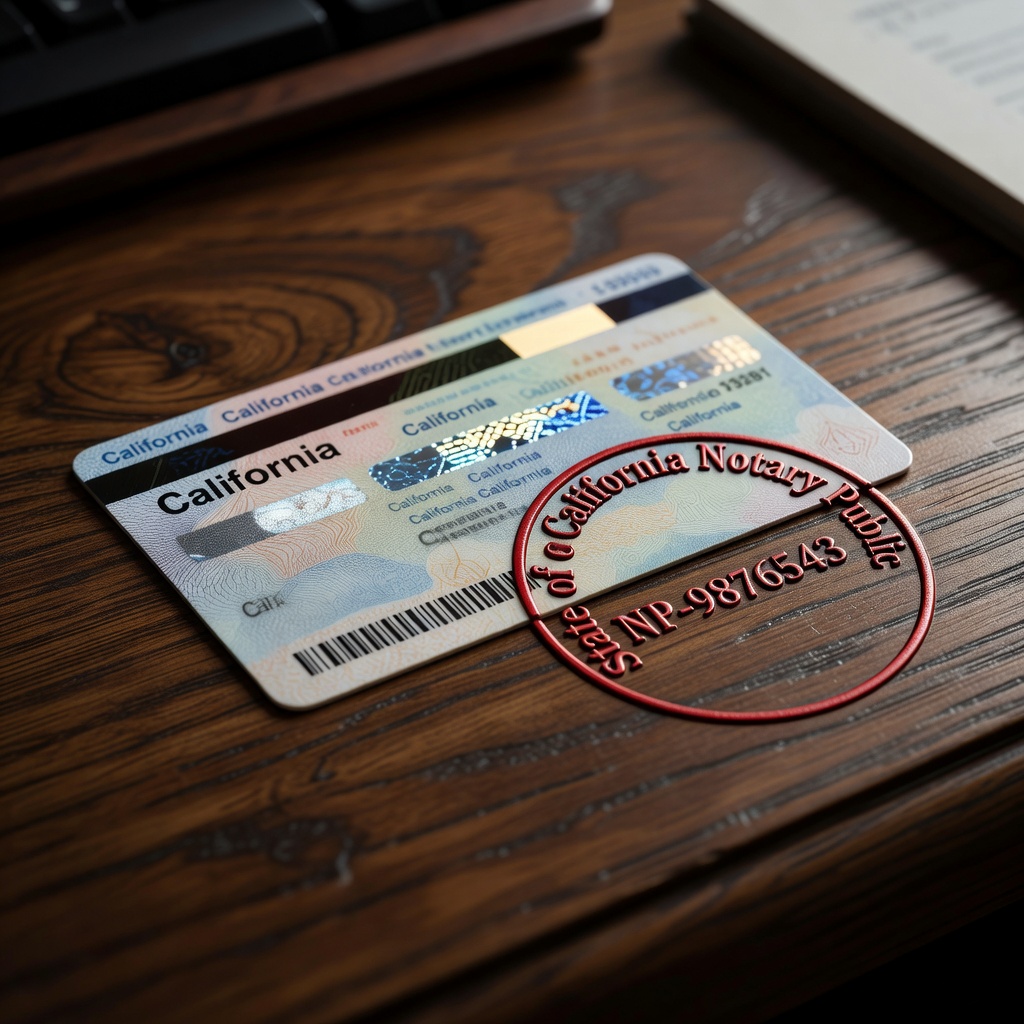
California notaries can't just take a signer's word—or a selfie. You need tangible proof bearing a photo, physical description, signature, address, and a serial or identification number. No photocopies, no expired docs, no exceptions. The California Secretary of State lists precise options, ensuring every notarization holds up in court.
Why so strict? Fraudsters love ambiguity. By sticking to these rules, you protect documents that seal home sales, wills, and powers of attorney—cornerstones of trust in our daily lives.
Acceptable ID for Notary California: Your Go-To Checklist
Stick to these heavy hitters, and you're golden. Here's the official lineup:
- California driver's license or ID card: The everyday staple. Must be current, unlaminated if possible, but wear and tear is okay if details are legible.
- U.S. passport book or card: Gold standard for travelers. Book preferred for its heft and details.
- Driver's license or ID from another U.S. state or Canadian province: Out-of-staters welcome, as long as it meets the criteria—no learner's permits.
- U.S. military ID: Active duty or veteran cards work, photo and serial number intact.
- Passport from a foreign government: Valid only if it includes an identification number.
- Government-issued documents: Think inmate cards from the California Department of Corrections or other state/federal IDs with photo, signature, description, address, and serial number.
Pro tip: Always inspect closely. Faded ink or tampering? Politely decline and suggest credible witnesses as backup—two must know the signer personally and show their own ID.
Physical vs Digital ID Notary: The Pitfalls of Mobile IDs
Why Digital Driver's Licenses Aren't Ready for Prime Time
California's rolling out mobile driver's licenses (mDLs) via apps like the one from the DMV pilot. Tempting? Sure. Acceptable? Absolutely not. The law insists on a physical document you can touch, flip, and scrutinize for security features like holograms and watermarks.
Digital IDs risk hacking, screenshots, or deepfakes. A phone screen blanks out? No good. Even if California's tech catches up, current rules demand the real deal. Physical vs digital ID notary debates rage, but for now, screens don't cut it—stick to paper (or plastic) to stay compliant.
Notary Exam Prep: Dodging Signer Identification Mistakes
Top Traps That Derail California Notary Applicants
The 150-question exam tests ID rules hard—expect scenarios on acceptable docs vs. rejects. Common stumbles:
- Greenlighting expired IDs: If it's past the date, it's invalid. No grace periods.
- OK'ing photocopies or scans: Originals only. Copies scream fraud risk.
- Assuming digital equals physical: mDLs? Big no—students pick this wrong 30% of the time.
- Mixing up witness rules: One witness? Insufficient. Need two credible ones with ID.
- Forgetting serial numbers: No number, no notary.
Practice with flashcards and mock exams. Visualize the journal entry: Record the ID type, number, and expiration—every time.
Signer Identification Mistakes Working Notaries Can't Afford
Beyond the test, real life bites harder. A rushed loan signing accepts a blurry foreign passport sans ID number? Lawsuit bait. Or notarizing for a "buddy" without proper ID? Commission revoked. Always ask: "May I see your physical ID?" Document everything in your journal. When in doubt, step out—better safe than sorry.
In the notary game, one weak ID link snaps the whole chain of trust.
Lock In Your Knowledge—Level Up with Expert Training
Nailing California notary ID rules and sidestepping signer identification mistakes sets you apart. Ready to ace your exam and thrive? Join The Notary Public Institute's training programs for step-by-step guidance, practice tests, and insider tips from certified pros. Your commission—and peace of mind—await.
Master the rules today. Notarize confidently tomorrow.
Written by Chris Morgan
Expert Notary Advisor at The Notary Public Institute
Ready to Start Your California Notary Journey?
Don't leave your commission to chance. Join thousands of students who trust The Notary Public Institute for the most comprehensive, easy-to-follow training in California.
Stay Ahead of California Notary Changes
Join our community of 5,000+ notaries. Get state-level updates, compliance tips, and career resources delivered to your inbox.
Related Articles
California Acknowledgment vs Jurat: What Each Certificate Means
California Acknowledgment vs Jurat: What Each Certificate Means Picture a busy afternoon. A signer slides a deed across your desk. "Acknowledgment or jurat?"...
Read ArticleCalifornia Notary Appointment Workflow: From Greeting to Journal
California Notary Appointment Workflow: From Greeting to Journal Imagine your doorbell rings. A signer stands there with a stack of papers. Your heart races....
Read Article